
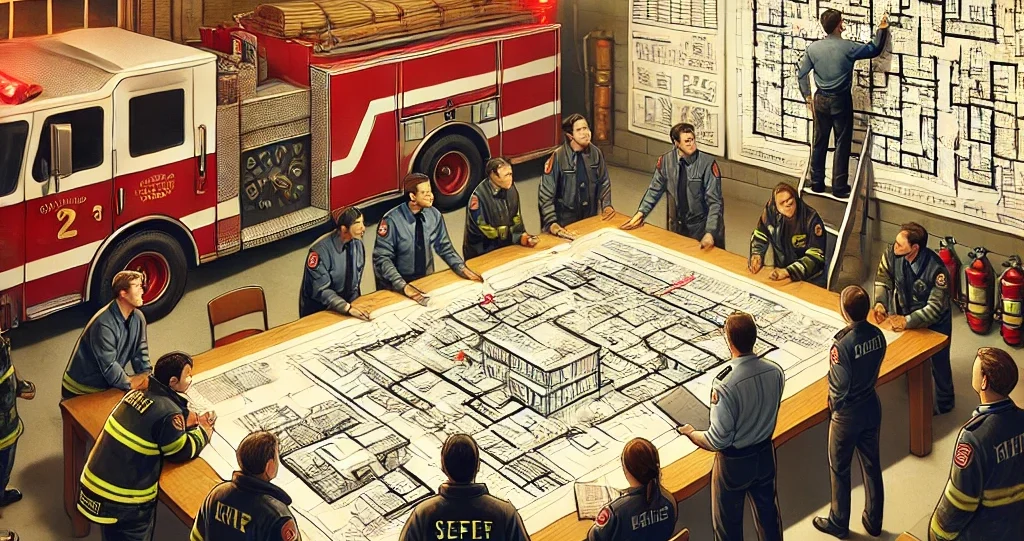
The Complete Guide to Fire Pre-Planning: Enhancing Preparedness and Response for Fire Departments
Fire pre-planning is an essential process for fire departments to ensure the safety of both firefighters and the communities they protect. This guide is tailored to fire service professionals, focusing on the best practices, technologies, and strategies necessary to create effective pre-incident plans.

What is Fire Pre-Planning?
Fire pre-planning involves the detailed analysis and documentation of a building or site to prepare fire departments for potential emergencies. The process includes:
- Identifying Key Hazards: Recognizing potential fire hazards within and around the building, such as flammable materials, electrical risks, and hazardous processes.
- Mapping the Layout: Documenting the building’s layout, including exits, stairwells, fire escapes, and the locations of fire suppression systems.
- Establishing Response Strategies: Developing strategies for the most effective response to fires, including evacuation procedures, entry points for firefighters, and the placement of fire apparatus.
- Documenting Resources: Identifying available resources, such as nearby hydrants, sprinkler systems, and mutual aid agreements.
1. The Importance of Fire Pre-Planning
Fire pre-planning is the systematic process of gathering and organizing detailed information about buildings and properties within a jurisdiction to prepare for potential fire incidents. For fire departments, pre-planning is crucial for several reasons:
- Improved Response Times: Knowing the layout, hazards, and fire protection systems of a building can drastically reduce the time it takes to mount an effective response.
- Enhanced Safety: Detailed pre-plans help to mitigate risks by informing firefighters of potential hazards, such as hazardous materials or structural weaknesses, before they encounter them in the field.
- Operational Efficiency: Pre-plans allow for better coordination during multi-agency responses, ensuring that all teams are on the same page when it comes to strategy and resource allocation.
2. Core Components of a Fire Pre-Plan
A robust fire pre-plan should cover the following key elements:
- Building Details: Include the building’s address, type of construction, number of stories, and specific uses of different areas. Detailed floor plans and site maps are essential for navigating the structure during an emergency.
- Access and Egress Points: Document all entry and exit points, including doors, windows, and emergency exits. Understanding these points is crucial for both entry strategies and occupant evacuation.
- Fire Suppression and Alarm Systems: Information on fire alarms, sprinkler systems, standpipes, and other suppression tools should be clearly detailed. Knowing the location and capabilities of these systems can significantly influence firefighting tactics.
- Hazardous Materials: Identify and map any hazardous materials stored on the premises, including their types and locations. This information is vital for preventing secondary incidents, such as chemical reactions or explosions.
- Water Supply and Hydrant Locations: Detail the locations of hydrants, static water sources, and any specific information about the building’s water supply systems, including capacities and pressures.
- Occupant Information: Consider the building’s occupancy patterns, including peak times and any special needs occupants who may require assistance during evacuation.
3. Leveraging Advanced Technologies in Pre-Planning
Fire departments are increasingly turning to advanced technologies to enhance their pre-planning efforts:
- Digital Pre-Plans: Moving away from traditional paper-based pre-plans, many departments now use digital platforms that allow for real-time updates, easier access, and integration with mobile devices.
- Geographic Information Systems (GIS): GIS technology provides detailed mapping and spatial analysis, allowing firefighters to visualize the building and surrounding area in relation to hydrants, access routes, and potential hazards.
- Building Information Modeling (BIM): BIM offers 3D models of buildings that can be used for virtual walkthroughs and scenario planning, giving firefighters a better understanding of complex structures before they arrive on the scene.
- Augmented and Virtual Reality (AR/VR): AR and VR tools are becoming valuable training aids, allowing firefighters to experience simulated fire incidents in a controlled, immersive environment.
4. Best Practices for Maintaining and Utilizing Pre-Plans
To ensure that pre-plans remain effective, fire departments should adhere to the following best practices:
- Regular Updates and Reviews: Buildings and their uses change over time, so it’s critical to regularly review and update pre-plans to reflect these changes. This includes conducting annual reviews and updating plans after significant renovations or changes in occupancy.
- Collaborative Development: Pre-plans should be developed in collaboration with building owners, managers, and other stakeholders. This ensures accuracy and encourages a cooperative approach to fire safety.
- Training and Drills: Regular training sessions and drills based on pre-plans familiarize firefighters with specific buildings and the challenges they might face, enhancing their readiness for actual emergencies.
- Community Engagement: Fire departments should engage with the community to raise awareness about the importance of fire pre-planning. Public education initiatives can also help in gathering valuable information from those who work or live in the buildings being pre-planned.
5. Overcoming Common Challenges in Fire Pre-Planning
Fire departments may encounter several challenges when creating and maintaining pre-plans:
- Data Management: Managing and updating large volumes of data across multiple buildings can be challenging. Digital solutions, such as cloud-based platforms, can streamline this process and ensure data is easily accessible to all relevant personnel.
- Coordination with Multiple Agencies: For large or complex incidents, coordination between different emergency services is crucial. Ensuring that pre-plans are compatible with the systems used by other agencies can enhance overall response effectiveness.
- Resource Constraints: Smaller departments may lack the resources to develop comprehensive pre-plans. Partnering with larger departments or utilizing shared services can help mitigate these challenges.
You can get all these functions and more with pre-planning software from APX Data.
6. Conclusion
For fire departments, fire pre-planning is not just a procedural task—it is a critical component of operational readiness that can save lives and property. By incorporating detailed, up-to-date information and leveraging the latest technologies, fire departments can ensure they are prepared to respond to any incident with speed and precision.
Regular updates, collaborative development, and continuous training based on these pre-plans will ensure that firefighters are always ready to protect their communities effectively. Fire departments that invest in thorough pre-planning are ultimately investing in the safety of both their personnel and the public.
Explore more insights on pre-planning for fire departments.
- Key Components of an Effective Fire Pre-Plan
- How to Create a Fire Pre-Plan: A Step-by-Step Process
- The Role of Technology in Modern Fire Pre-Planning
- Common Mistakes to Avoid in Fire Pre-Planning
- Fire Pre-Planning for High-Risk Buildings: Best Practices
- The Importance of Regularly Updating Fire Pre-Plans
- Integrating Community Risk Reduction with Fire Pre-Planning
- Case Studies: Successful Fire Responses Thanks to Effective Pre-Planning
- Training Firefighters on the Importance of Pre-Planning
.
Last Updated on August 23, 2024